
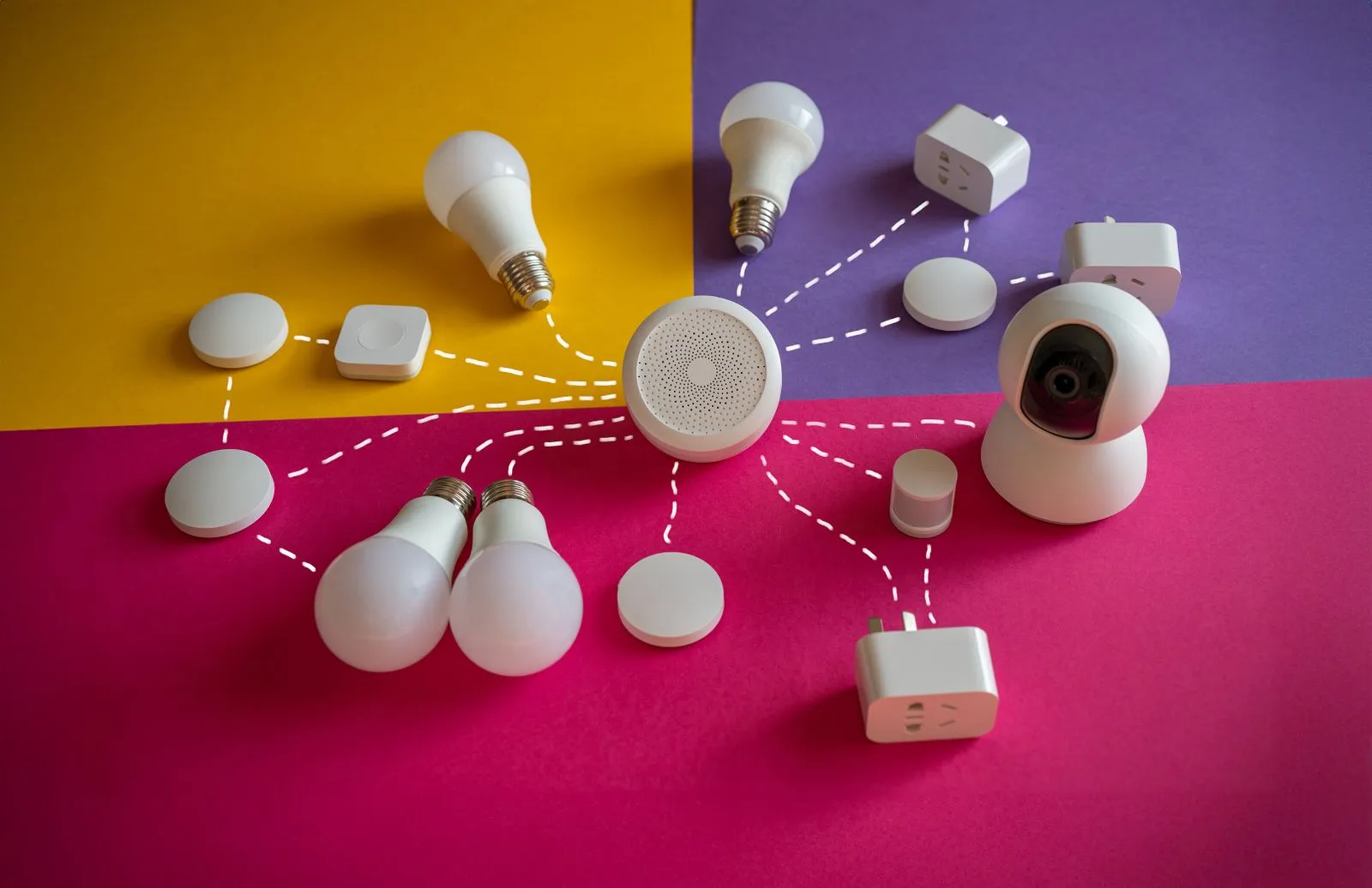
A smart lighting system works best when it reflects how you move through your home—not just which bulbs are available. Before choosing connected switches or dimmers, decide which lights should operate together, how you want to control them, and whether your wiring supports the equipment. A simple plan can prevent mismatched devices, unreliable dimming, and inconvenient controls. Start with the rooms and routines that matter most, then check the electrical details before purchasing.
Map Your Lighting Zones
A lighting zone is a group of fixtures you want to control together. Walk through each room and note its overhead lights, task lighting, accent lights, and outdoor fixtures. A kitchen may need separate zones for ceiling lights, counter lighting, and a dining area. In a bedroom, you may want bedside lamps independent from the main ceiling fixture.
Group lights around real activities rather than room names alone. Consider when people enter a space, where they read or prepare food, and which lights should stay on while others are off. Write down existing switch locations and the fixtures each switch controls. This inventory helps you spot where a connected switch is suitable and where a smart bulb or another control approach may fit better.
Match Controls to Daily Use
Connected switches and dimmers control the fixtures wired to them, so they are useful when several compatible lights should respond together. Smart bulbs offer individual color or brightness control, but the wall switch generally needs to remain on for app or voice commands to work. Avoid mixing these approaches on the same circuit without a clear plan; someone may turn off power at the wall and make smart bulbs unavailable.
Decide how you want to operate each zone: a wall control, app, voice assistant, schedule, or a combination. Keep a familiar physical control where household members expect one. For dimming, check that the fixture and bulbs support dimming and that the chosen control is compatible with them. If you want different light levels in one room, separate zones or smart bulbs may provide more flexibility than a single dimmer.
Check Wiring and Compatibility
Before buying a connected switch or dimmer, confirm the electrical setup at the switch box. Some devices require a neutral wire, while others are designed for installations without one. The box also needs enough space for the device and its wiring. Do not assume that a home’s age or a switch’s appearance confirms what is behind the wall; an electrician can inspect the circuit safely.
Check the device’s specifications against the circuit, fixture type, and total lighting load. Pay attention to LED compatibility, minimum and maximum load limits, and any stated requirements for multi-location switching. A dimmer that is not suited to the bulbs can cause flickering, buzzing, or an inconsistent range of brightness. Confirm that the selected devices also work with your preferred smart-home platform and wireless network.
Plan Installation and Expansion
Prioritize the zones where connected control will make a practical difference, such as entryways, frequently used living areas, or exterior lights. You can add devices in stages, but choose a compatible platform and naming system from the beginning. Use clear names based on location and purpose, such as “kitchen counters” rather than a generic label, so schedules and voice commands remain easy to manage.
Have a qualified electrician handle new wiring, switch-box changes, or any work you are unsure how to perform safely. Ask for an inspection of the planned zones, switch-box wiring, circuit loads, and multi-location controls before ordering devices. Tulsa Smart Electric can help homeowners in Tulsa review those details and plan a system around their fixtures and routines.
A reliable smart lighting plan starts with the way each space is used, then matches zones and controls to compatible fixtures and wiring. List your lighting, verify device requirements, and resolve uncertain electrical details before buying. If you want help reviewing your setup, contact a qualified home automation electrician to discuss the next steps.