A home automation installation can involve more than mounting a few smart devices. The work may include reviewing your home’s wiring and Wi-Fi, choosing compatible equipment, installing switches or sensors, and connecting everything in an app. Knowing the usual steps helps you prepare, ask useful questions, and avoid surprises. Here’s what to expect from the first planning conversation through testing and handoff, whether you’re automating one room or coordinating systems throughout your home.
Plan the system and scope
Start by listing what you want the system to do. Examples include controlling lights from a phone, setting a thermostat schedule, adding door sensors, or creating a single routine for several devices. Identify who will use the system and which tasks matter most. This gives the installer a practical starting point and helps separate essential features from upgrades you can add later.
The installer should review the home’s layout, existing devices, electrical setup, internet coverage, and preferred control method. Ask which products work together, whether any existing equipment can stay, and what needs to be changed. Confirm which rooms and devices are included, who supplies the equipment, and how the work area will be accessed. A clear scope makes it easier to understand the schedule and the finished result.
Prepare the home
Before installation day, make a list of your Wi-Fi network details and the accounts needed for any existing smart devices. Check that your internet service and router are working, and tell the installer about weak-signal areas or recent network changes. If you have pets, restricted rooms, or delicate furnishings near work areas, share those details ahead of time.
Ask whether you should move furniture, clear access to the electrical panel, or provide device packaging and manuals. Keep children and pets away from active work areas. If the project includes new equipment, confirm where it will be placed and whether it needs power, ventilation, or a network connection. Good preparation can reduce delays without requiring you to handle electrical tasks yourself.
Install devices and complete electrical work
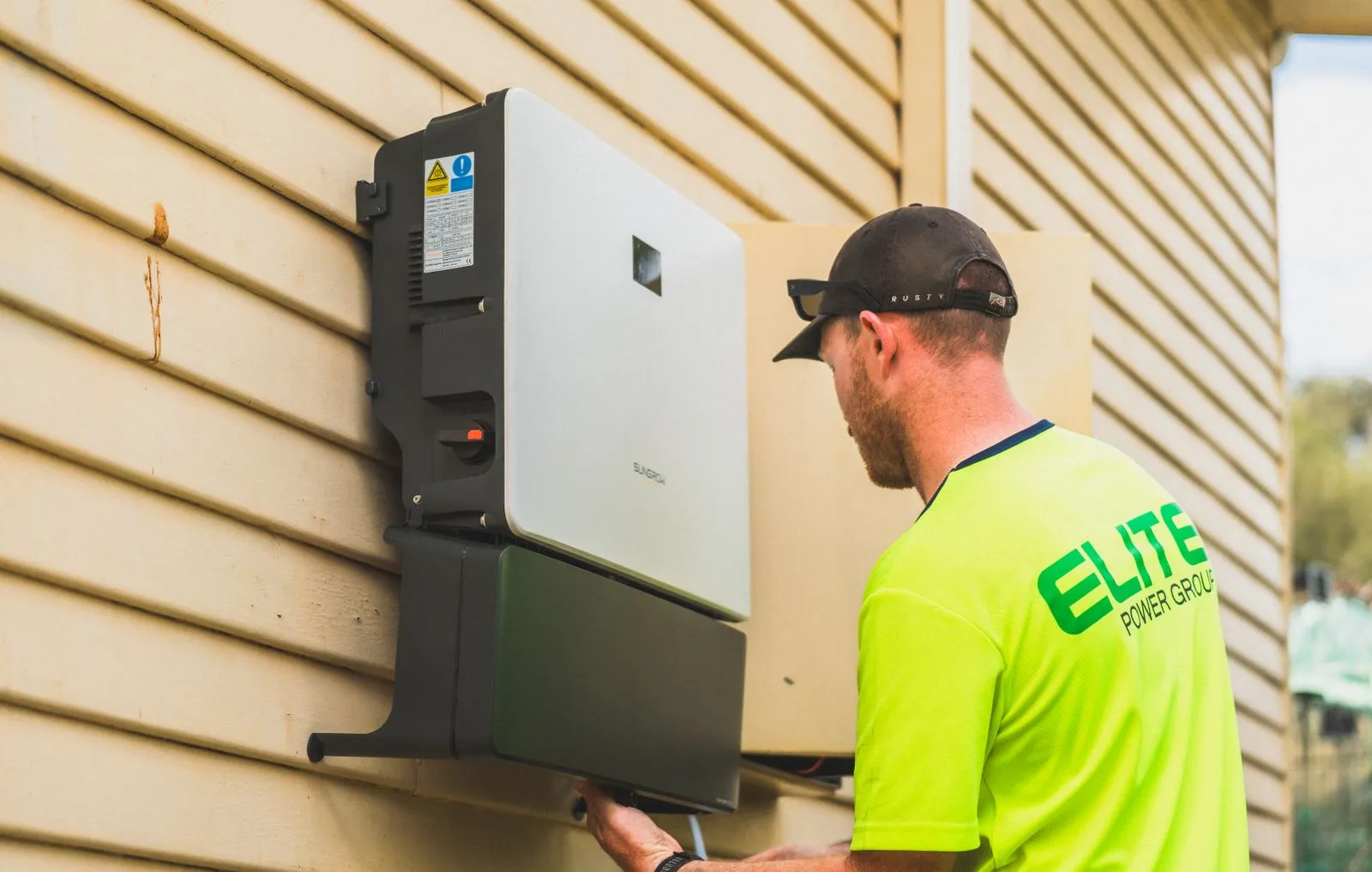
The work may include mounting hubs, sensors, cameras, or smart controls, then connecting them to the home network. For lighting controls, the installer may replace switches or dimmers and check that they suit the existing wiring and fixtures. The exact steps depend on the devices selected and the condition of the home’s electrical system.
Electrical work should be handled by a qualified professional, especially when it involves wiring, circuit changes, or work inside an electrical panel. The installer should explain any unexpected conditions before expanding the scope. Ask how devices will be labeled, whether any circuits will be temporarily unavailable, and what areas need to remain clear while work is underway.
Test, adjust, and learn the controls
After installation, each device should be checked individually and as part of any connected routine. Test switches, sensors, schedules, voice controls, and remote access where included. Confirm that devices respond reliably in their intended locations, and review any network or compatibility issues before the installer leaves.
Ask for a walkthrough of the app, user access, basic troubleshooting, and how to change schedules or routines. Make sure you know which account owns the system and how to add another household member. Keep device instructions and warranty information together, and ask what to do if a device disconnects or needs resetting. A clear handoff helps you use the system confidently and maintain it over time.
A well-organized installation starts with a clear plan, uses compatible devices, and ends with hands-on testing and instruction. Before work begins, confirm the scope and prepare access to the areas involved. During the handoff, test the controls yourself and ask any remaining questions. If you’re planning a connected-home project in Tulsa, contact Tulsa Smart Electric to discuss your goals.